
A new article published in the Journal of Sustainable Tourism provides valuable insights into themes that closely connect with the objectives of the EcoHarmony project, particularly regenerative tourism, inclusion, community engagement and sustainable tourism development.
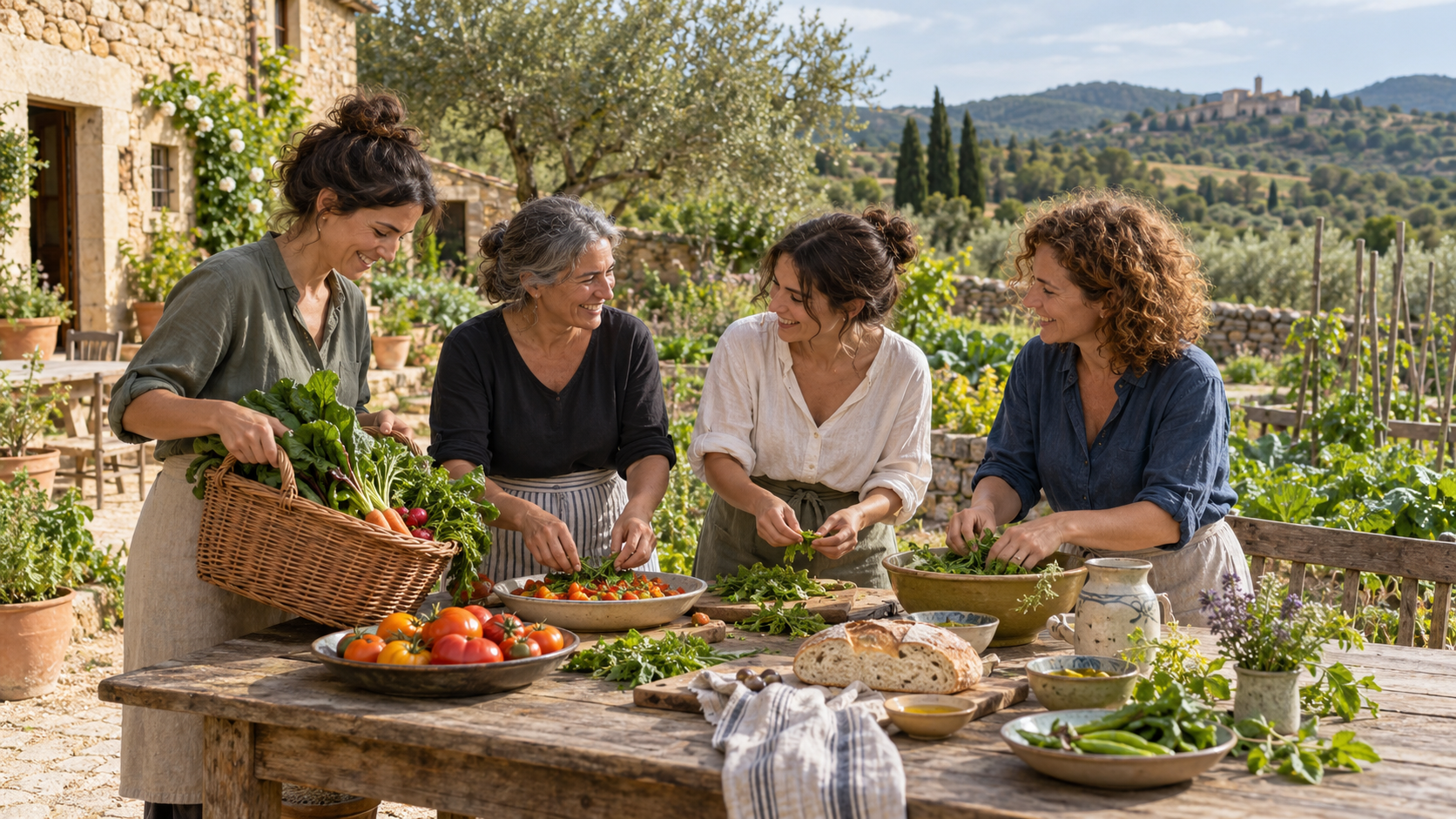
The article, “Relational–regenerative leadership among women entrepreneurs in food tourism,” authored by Alicia Orea-Giner, Daniela Freund and Itziar Ramírez-García, examines how women entrepreneurs in Spanish food tourism perform and negotiate leadership through relational, regenerative and embodied practices.
Read more: New Research Publication Connects Regenerative Leadership with the EcoHarmony VisionBased on fieldwork with five women-led initiatives in Catalonia and 21 semi-structured interviews across Spain, the research identifies leadership practices centred on care, collaboration, situated ethics, regenerative entrepreneurship and collective decision-making. At the same time, it highlights the structural conditions that can affect women’s recognition, legitimacy and access to resources.
Connecting research and the EcoHarmony mission
The publication resonates strongly with the EcoHarmony approach to building knowledge and competencies for a more sustainable and regenerative tourism sector.
Its findings reinforce the importance of looking beyond traditional models of tourism development and considering how tourism can contribute to stronger communities, environmental regeneration, ethical business practices, social inclusion and locally rooted development.
The study conceptualises regenerative approaches as going beyond simply reducing negative impacts. Instead, they seek to strengthen communities and ecosystems through practices such as local and seasonal production, circular and low-waste systems, and the revitalisation of traditional culinary knowledge.
These ideas complement several areas addressed through EcoHarmony’s learning programme, including sustainable and regenerative tourism, ethics and social values, circular and regenerative tourism, local development and community engagement, and strategic approaches to sustainable tourism.
One of the article’s central contributions is a relational–regenerative leadership framework integrating relational care, regenerative ethics and collaborative governance. The framework illustrates how sustainable transformation can emerge through relationships between entrepreneurs, employees, suppliers, customers, communities and other tourism stakeholders.
The publication therefore provides another valuable research perspective supporting EcoHarmony’s broader ambition: equipping learners and tourism stakeholders with the
knowledge and perspectives needed to contribute to tourism systems that are not only more sustainable, but also more regenerative, inclusive, collaborative and community centred.